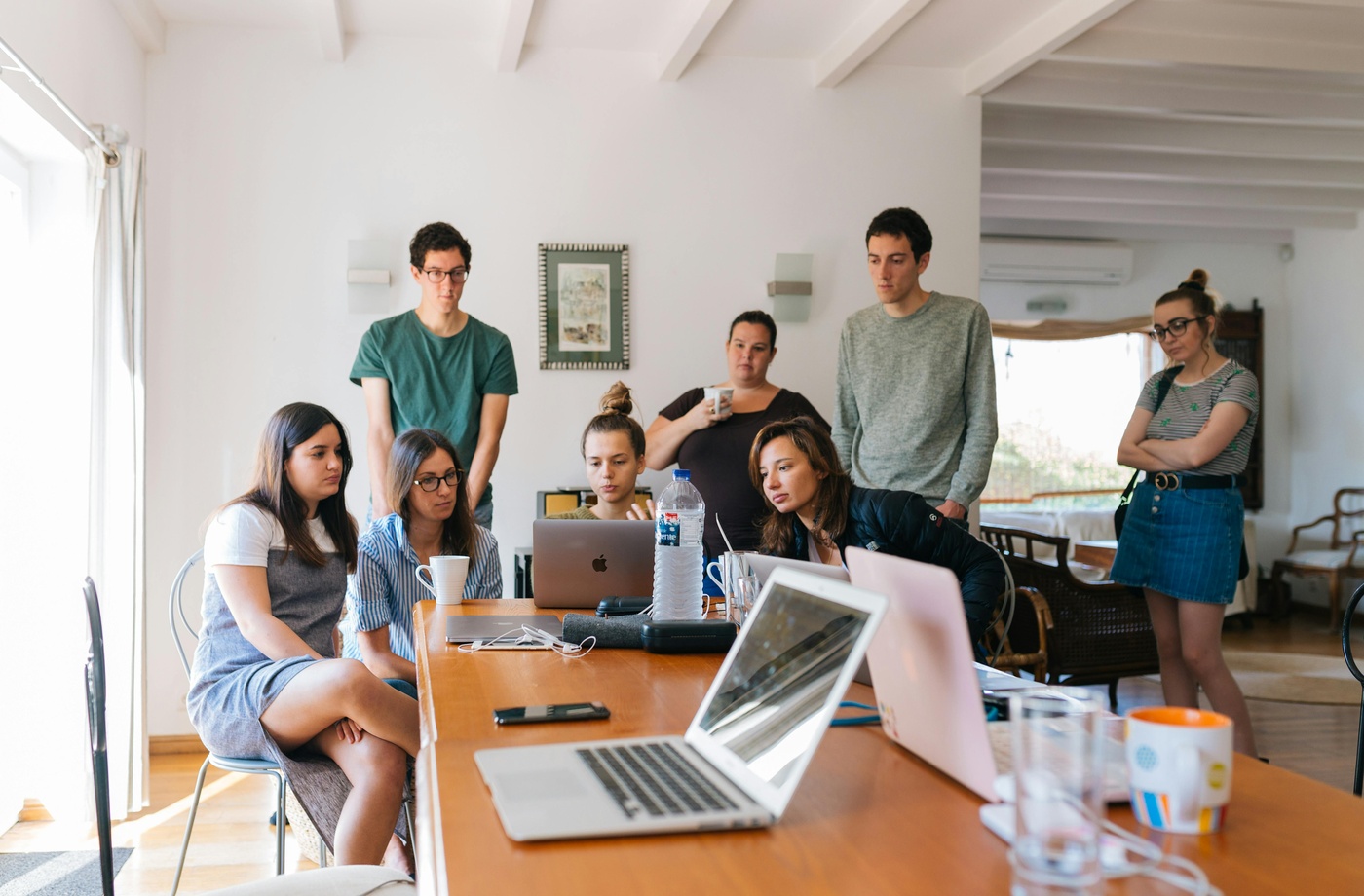
The workplace has undergone a massive digital transformation, driven by connectivity, cloud technology, and rapid adoption of online collaboration tools. As the internet becomes faster and more reliable, the future of work is set to be more global, flexible, and tech-driven than ever before.
Remote and Hybrid Models Are Here to Stay
The shift to remote work during the pandemic revealed that productivity does not depend on being in a physical office. Many companies have since embraced hybrid models, blending in-office collaboration with remote flexibility.
Collaboration Tools as the New Office
Platforms like Slack, Zoom, and Microsoft Teams have become the backbone of workplace communication. These tools allow real-time collaboration across geographies, breaking down barriers that once restricted global teamwork.
The Role of Cloud and Edge Computing
Cloud services have enabled companies to scale operations quickly and affordably. From file storage to enterprise software, businesses can operate entirely online with platforms like Google Workspace and AWS. Edge computing will further improve efficiency by processing data closer to its source, reducing latency for time-sensitive tasks.
AI and Automation in the Workplace
Artificial intelligence is reshaping daily operations by automating repetitive tasks, enhancing customer support through chatbots, and providing predictive analytics. The World Economic Forum predicts that AI will create new roles in data analysis, engineering, and cybersecurity, even as it automates existing ones.
Global Talent Pools and Freelancing
Connectivity has expanded the talent pool beyond geographic borders. Companies can now hire remote workers and freelancers from anywhere, enabling greater diversity and access to specialized skills. Platforms like Upwork and Fiverr make this easier for businesses of all sizes.
Challenges of the Connected Workplace
While connectivity unlocks opportunities, it also presents challenges. Cybersecurity risks increase with remote work, and managing employee well-being in always-on digital environments is an ongoing concern. Balancing flexibility with productivity will define successful workplace strategies in the years ahead.
Looking Ahead
The future of work will continue to be shaped by connectivity, digital tools, and global collaboration. As technology evolves, businesses and workers must remain adaptable, leveraging innovation while ensuring human connection remains at the core of professional life.